
Impact
Building Strong Financial Futures and Economic Knowledge

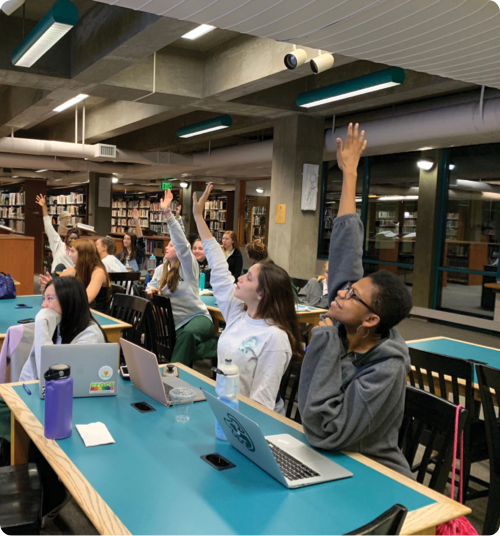
Many students lack the basic financial skills needed to prosper in life. MCEE is working to change this.
MCEE provides young people the tools to make informed decisions, prepare for careers or post-secondary education and understand the economic impact of real-world events. The true effect of MCEE’s wide range of economic and financial education resources exists in the ripple effects that extend across families, communities, and even future generations.
Who We Serve
Across Mississippi, MCEE strengthens economic and personal finance education by supporting K–12 teachers and students, and engaging families and community partners.

The Impact of MCEE
We believe that supporting educators is the key to improving student learning and achievement. And studies show that our approach is working. With a foundational understanding of finance and economics, young people have the tools they need to make informed financial decisions and create a better life, not only for themselves but also for those around them.
The Impact of Economic and Financial Education
State-Mandated Financial Education Makes a Difference
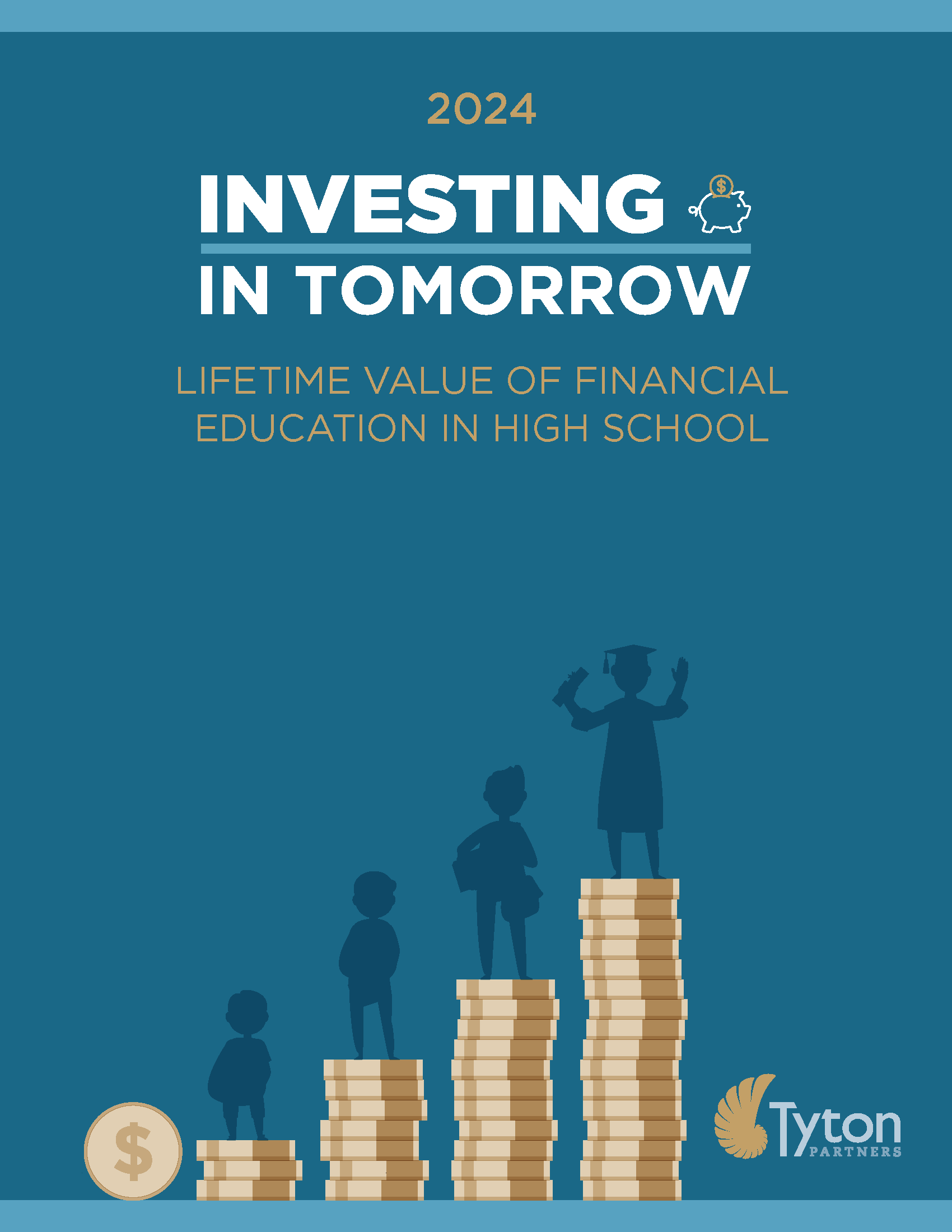
Three studies¹ show consistent results: Students who have received a personal finance education make different financial choices.
- Improved credit scores
- Reduced default rates
- More likely to have a credit file
- Less likely to have outstanding debt

Financial Behaviors Improve Over Time
Here’s what happened to young adults three years after receiving a state-mandated education in personal finance.²
- Severe delinquency on credit accounts or auto loans decreased up to 32%
- Credit scores improved from 1.8% in Georgia to 5.2% in Texas

Low-Income Students Make Better College Financing Choices
Financial education requirements help to change how students use the resources available to them.³
- They borrow more knowledgeably, shifting from high-cost to low-cost financing
- They apply for more aid, increasing the likelihood of receiving a grant or accepting low-interest federal loans

Nature's Symphony
Faces of Humanity
Sands of Time
References
- Cole, Shawn, Anna Paulson, and Gauri Kartini Shastry. High school curriculum and financial outcomes: The impact of mandated personal finance and mathematics courses. Journal of Human Resources 51.3 (2016): 656-698.
- 2015 FINRA Investor Education paper
- Christiana Stoddard and Carly Urban. “The Effects of Financial Education Graduation Requirements on Postsecondary Financing Decisions”